Everyone needs to love and be loved -- even men. But to know love, men must be able to look at the ways that patriarchal culture keeps them from knowing themselves, from being in touch with their feelings, from loving. In The Will to Change, bell hooks gets to the heart of the matter and shows men how to express the emotions that are a fundamental part of who they are -- whatever their age, marital status, ethnicity, or sexual orientation. With trademark candor and fierce intelligence, hooks addresses the most common concerns of men, such as fear of intimacy and loss of their patriarchal place in society, in new and challenging ways. She believes men can find the way to spiritual unity by getting back in touch with the emotionally open part of themselves -- and lay claim to the rich and rewarding inner lives that have historically been …
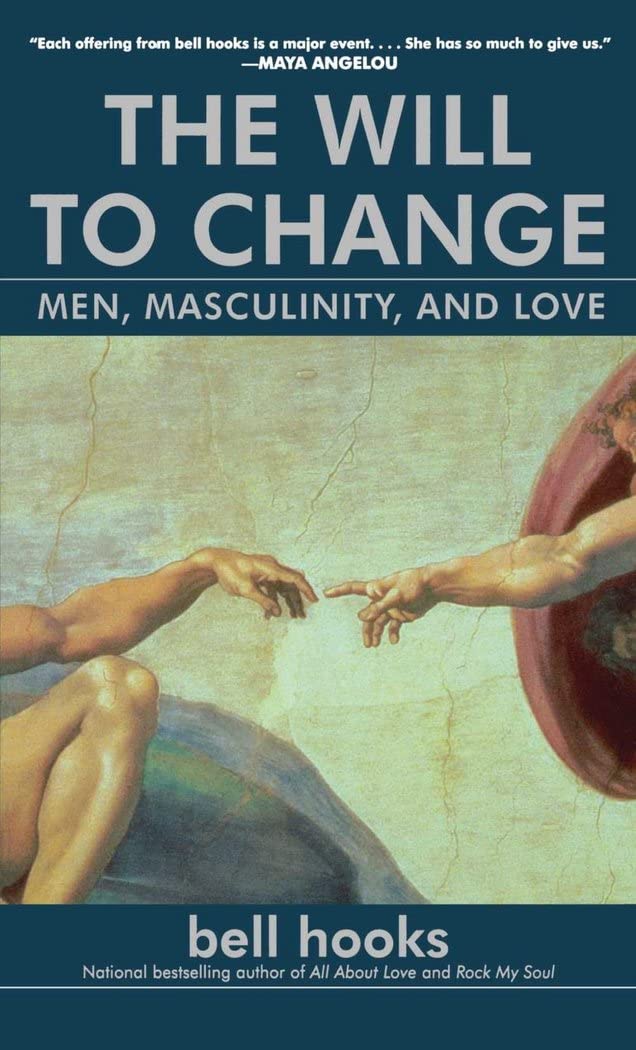
Everyone needs to love and be loved -- even men. But to know love, men must be able to look at the ways that patriarchal culture keeps them from knowing themselves, from being in touch with their feelings, from loving. In The Will to Change, bell hooks gets to the heart of the matter and shows men how to express the emotions that are a fundamental part of who they are -- whatever their age, marital status, ethnicity, or sexual orientation. With trademark candor and fierce intelligence, hooks addresses the most common concerns of men, such as fear of intimacy and loss of their patriarchal place in society, in new and challenging ways. She believes men can find the way to spiritual unity by getting back in touch with the emotionally open part of themselves -- and lay claim to the rich and rewarding inner lives that have historically been the exclusive province of women. A brave and astonishing work, The Will to Change is designed to help men reclaim the best part of themselves.
bell hooks schreibt in diesem Buch über Männlichkeit und den negativen Einflüssen der patriarchalen Sozialisation auf Jungen und Männer. Leidtragend ist die gesamte Gesellschaft.
Auf den knapp 200 Seiten werden Bedingungen und Ansätze aufgezeigt, die eine auf Liebe basierende „neue Männlichkeit“ begünstigen.
Die Originalausgabe erschien bereits 2004. Der Text bleibt allerdings weiterhin aktuell.