
The Morning Everyone Knew and No One Stopped
4 stars
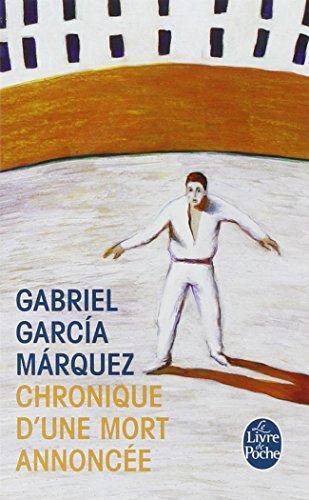
A strange sense of inevitability followed me through Chronicle of a Death Foretold. Before the story truly begins, the reader already knows that Santiago Nasar will be killed. Under normal circumstances, that knowledge might weaken suspense. Instead, Gabriel García Márquez transforms certainty into tension. As I read, I felt myself pulled toward an outcome that seemed preventable at every moment and unavoidable at the same time.
The novel reconstructs the events leading to Santiago’s death years after the crime occurred. Through interviews, memories, and conflicting testimonies, the narrator attempts to understand how an entire community failed to stop a murder that had been publicly announced. I found this structure fascinating. Rather than searching for the identity of a killer, I was searching for the point at which responsibility dissolved. Every new account seemed to reveal another missed opportunity.
What affected me most was the role of collective …
A strange sense of inevitability followed me through Chronicle of a Death Foretold. Before the story truly begins, the reader already knows that Santiago Nasar will be killed. Under normal circumstances, that knowledge might weaken suspense. Instead, Gabriel García Márquez transforms certainty into tension. As I read, I felt myself pulled toward an outcome that seemed preventable at every moment and unavoidable at the same time.
The novel reconstructs the events leading to Santiago’s death years after the crime occurred. Through interviews, memories, and conflicting testimonies, the narrator attempts to understand how an entire community failed to stop a murder that had been publicly announced. I found this structure fascinating. Rather than searching for the identity of a killer, I was searching for the point at which responsibility dissolved. Every new account seemed to reveal another missed opportunity.
What affected me most was the role of collective passivity. The Vicario brothers openly declare their intention to kill Santiago in order to restore family honor, yet most people assume someone else will intervene. As I followed these events, I felt growing frustration. The tragedy unfolds not because information is hidden, but because action is delayed. That realization gave the novel a unique emotional weight.
Márquez captures the atmosphere of the town with remarkable precision. Small details, conversations, and routines take on significance because they occur beneath the shadow of a known fate. I felt as though time itself had slowed, allowing every gesture to become meaningful. The story's treatment of honor, reputation, and social expectation left me reflective and uneasy.
By the final pages, I felt less shocked by the murder than saddened by the community surrounding it. Chronicle of a Death Foretold is not simply about one death. It is about shared responsibility and the consequences of inaction. Closing the book, I carried a lingering sense of melancholy. Márquez reminded me that tragedies are often built from small failures of courage, and that awareness stayed with me long after the story ended.