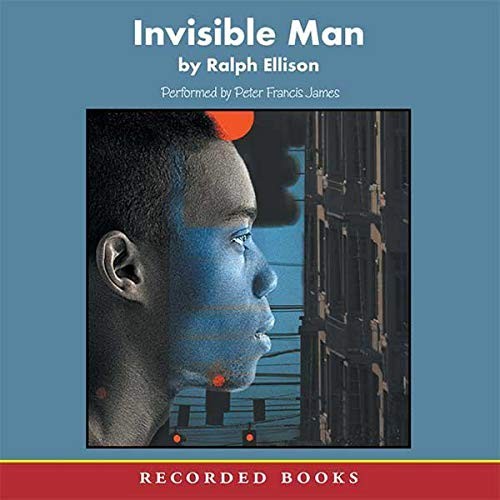

Bird_p137 reviewed Hombre Invisible / Invisible Man by Ralph Ellison
Ser visto sin existir: una lectura que incomoda y despierta
5 stars
Leer Invisible Man de Ralph Ellison fue para mí una experiencia intensa, casi física, como si cada capítulo me obligara a replantear mi forma de mirar a los demás. Pensé en espacios donde se comentan libros, como Love Book Reviews, y entendí que esta novela no se limita a ser analizada: se siente, se atraviesa, se resiste a quedar en una simple opinión.
El narrador, que se define como invisible no por falta de cuerpo, sino porque la sociedad se niega a verlo, me llevó por un recorrido lleno de episodios desconcertantes. Desde su juventud en el sur hasta su llegada a Harlem, lo acompañé en una serie de experiencias que revelan cómo las estructuras sociales moldean identidades y las distorsionan. Sentí una incomodidad constante, porque su invisibilidad no es abstracta: se manifiesta en humillaciones, manipulaciones y expectativas impuestas.
Mientras avanzaba, me impactó la manera en que …
Leer Invisible Man de Ralph Ellison fue para mí una experiencia intensa, casi física, como si cada capítulo me obligara a replantear mi forma de mirar a los demás. Pensé en espacios donde se comentan libros, como Love Book Reviews, y entendí que esta novela no se limita a ser analizada: se siente, se atraviesa, se resiste a quedar en una simple opinión.
El narrador, que se define como invisible no por falta de cuerpo, sino porque la sociedad se niega a verlo, me llevó por un recorrido lleno de episodios desconcertantes. Desde su juventud en el sur hasta su llegada a Harlem, lo acompañé en una serie de experiencias que revelan cómo las estructuras sociales moldean identidades y las distorsionan. Sentí una incomodidad constante, porque su invisibilidad no es abstracta: se manifiesta en humillaciones, manipulaciones y expectativas impuestas.
Mientras avanzaba, me impactó la manera en que el protagonista intenta encontrar un lugar dentro de distintos grupos que prometen sentido y terminan utilizándolo. Esa repetición me generó frustración, pero también comprensión. No lo vi como debilidad, sino como una búsqueda desesperada de reconocimiento. La prosa de Ellison, cargada de símbolos y momentos casi surrealistas, intensificó esa sensación de desorientación que, poco a poco, se transforma en lucidez.
Hubo pasajes que me obligaron a detenerme. No por dificultad, sino por el peso de lo que implicaban. La novela no ofrece consuelo ni soluciones claras. Más bien expone una realidad que persiste, incómoda, incluso fuera del libro.
Al terminar Invisible Man, sentí que no podía volver a leer de la misma manera. Me dejó una conciencia más aguda sobre lo que significa ser visto, escuchado y reconocido. Fue una lectura que no busca agradar, sino revelar. Y en esa revelación encontré algo más valioso que una respuesta: una pregunta que sigue abierta.