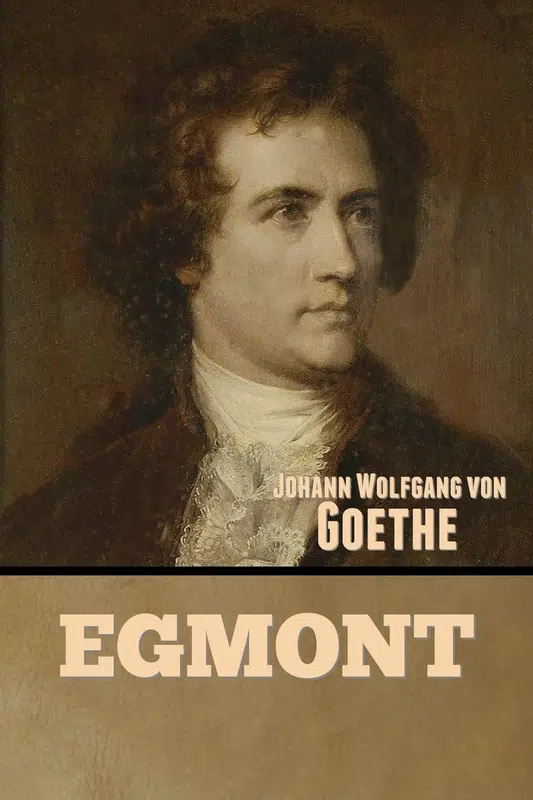

Julia_98 reviewed Egmont by Johann Wolfgang von Goethe
Hearing Freedom Speak Before the Fall
5 stars
The first impression Egmont gave me was one of noble confidence moving toward danger. Johann Wolfgang von Goethe presents Count Egmont as a charismatic leader in the Netherlands during Spanish rule, admired by the people and trusted for his courage. As I followed him, I felt both admiration and anxiety, because his openness seemed powerful but dangerously unguarded.
Egmont believes in freedom, honor, and the loyalty of his people. Yet the political world around him is colder than he imagines. The Duke of Alba enters as the force of repression, bringing suspicion, control, and calculated authority. I felt the tension sharpen as Egmont refused to act with caution. His idealism moved me, but it also frustrated me. He sees tyranny clearly, yet he underestimates its patience.
The love story with Clärchen added tenderness to the drama. Her devotion felt sincere and brave, and I was touched by how …
The first impression Egmont gave me was one of noble confidence moving toward danger. Johann Wolfgang von Goethe presents Count Egmont as a charismatic leader in the Netherlands during Spanish rule, admired by the people and trusted for his courage. As I followed him, I felt both admiration and anxiety, because his openness seemed powerful but dangerously unguarded.
Egmont believes in freedom, honor, and the loyalty of his people. Yet the political world around him is colder than he imagines. The Duke of Alba enters as the force of repression, bringing suspicion, control, and calculated authority. I felt the tension sharpen as Egmont refused to act with caution. His idealism moved me, but it also frustrated me. He sees tyranny clearly, yet he underestimates its patience.
The love story with Clärchen added tenderness to the drama. Her devotion felt sincere and brave, and I was touched by how completely she believes in him. Through her, the political tragedy became personal. When danger closes in, I felt her fear as strongly as Egmont’s courage. Goethe makes public oppression and private love reflect each other, which gave the play emotional depth.
What stayed with me most was Egmont’s calm before death. His final vision of liberty did not feel like defeat. It felt like a moral victory spoken from captivity. I felt sadness, but also a strange lift of hope.
Closing the play, I felt that Egmont is not simply about a fallen hero. It is about the cost of freedom when power grows ruthless. Goethe left me with the sense that courage may lose the immediate battle, but still awaken something stronger in those who remain.