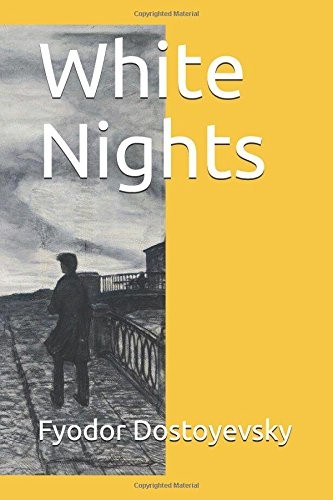

Julia_98 reviewed White Nights by Fyodor Dostoevsky
Four Nights That Taught Me the Beauty of Fleeting Happiness
4 stars
Some stories leave me with excitement, while others leave behind a quiet ache that refuses to disappear. White Nights belonged to the second kind. From the first pages, I felt drawn into the lonely streets of Saint Petersburg, where dreams often seem more vivid than reality. Fyodor Dostoevsky creates an intimate portrait of hope, longing, and human connection that unfolds over only a few nights, yet carries remarkable emotional depth.
The narrator, a solitary dreamer, spends much of his life observing the world from a distance. His quiet routine changes when he meets Nastenka, a young woman waiting for the return of the man she loves. Their unexpected friendship develops through honest conversations, shared walks, and growing trust. As I followed their meetings, I felt both warmth and caution. Their connection appeared genuine, yet I sensed that it rested on fragile ground.
What moved me most was the …
Some stories leave me with excitement, while others leave behind a quiet ache that refuses to disappear. White Nights belonged to the second kind. From the first pages, I felt drawn into the lonely streets of Saint Petersburg, where dreams often seem more vivid than reality. Fyodor Dostoevsky creates an intimate portrait of hope, longing, and human connection that unfolds over only a few nights, yet carries remarkable emotional depth.
The narrator, a solitary dreamer, spends much of his life observing the world from a distance. His quiet routine changes when he meets Nastenka, a young woman waiting for the return of the man she loves. Their unexpected friendship develops through honest conversations, shared walks, and growing trust. As I followed their meetings, I felt both warmth and caution. Their connection appeared genuine, yet I sensed that it rested on fragile ground.
What moved me most was the dreamer's openness. He knows loneliness so well that even a brief moment of companionship feels extraordinary. I admired his kindness and his willingness to listen without expecting anything in return. His growing affection for Nastenka felt sincere rather than possessive, and I found myself hoping that happiness might finally reach him.
Dostoevsky's prose is gentle and reflective, allowing ordinary conversations to reveal profound emotions. The city itself became part of the story for me. The bright northern nights, quiet canals, and peaceful streets created an atmosphere suspended between reality and imagination. I often felt as though time itself had slowed to protect these precious encounters.
The conclusion affected me deeply because it remained faithful to the emotional truth of the characters. Instead of relying on dramatic twists, Dostoevsky embraces the bittersweet nature of life. Joy and sorrow exist together, each giving meaning to the other.
Closing the book, I felt grateful for its quiet honesty. White Nights reminded me that even brief encounters can transform the heart. Although not every hope is fulfilled, the experience of loving, trusting, and opening oneself to another person is never wasted. That gentle realization remained with me long after the final page.