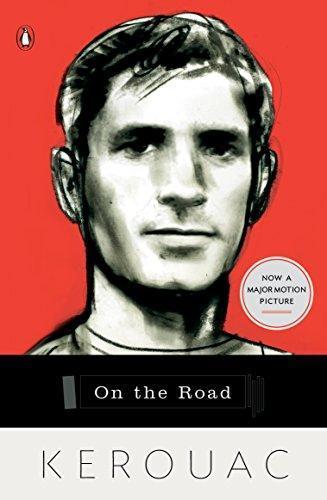

Julia_98 reviewed On the Road by Jack Kerouac
Miles That Refuse to Settle
4 stars
In On the Road, Jack Kerouac makes writing style feel inseparable from motion. I heard the sentences accelerate and rush like cars leaving a city at night. The novel does not describe travel across America. Its voice reproduces the hunger that sends its characters toward another road, another friend, another beginning.
Sal Paradise narrates his journeys with Dean Moriarty, a charismatic, reckless figure whose energy attracts and exhausts everyone around him. They cross the United States, meet musicians, workers, students, drifters, and lovers, and repeatedly imagine that the next destination will reveal a more authentic life. Their friendship provides the emotional center, although it is never secure. Dean’s charm can quickly become selfishness, and Sal’s admiration is often shadowed by loneliness.
I enjoyed the novel most when it listened to jazz. Kerouac’s prose becomes especially alive around music, crowded rooms, sudden conversations, and night drives. The long, urgent …
In On the Road, Jack Kerouac makes writing style feel inseparable from motion. I heard the sentences accelerate and rush like cars leaving a city at night. The novel does not describe travel across America. Its voice reproduces the hunger that sends its characters toward another road, another friend, another beginning.
Sal Paradise narrates his journeys with Dean Moriarty, a charismatic, reckless figure whose energy attracts and exhausts everyone around him. They cross the United States, meet musicians, workers, students, drifters, and lovers, and repeatedly imagine that the next destination will reveal a more authentic life. Their friendship provides the emotional center, although it is never secure. Dean’s charm can quickly become selfishness, and Sal’s admiration is often shadowed by loneliness.
I enjoyed the novel most when it listened to jazz. Kerouac’s prose becomes especially alive around music, crowded rooms, sudden conversations, and night drives. The long, urgent sentences gave me a feeling of improvisation, as if the narrator were trying to keep pace with experience before it disappeared. Yet the apparent freedom is carefully shaped. Repetition, lists, exclamations, and shifts in rhythm create a voice that is recognizably its own.
At the same time, I found On the Road more melancholy than its reputation suggests. The movement is thrilling, but it often leaves damaged relationships, unpaid debts, and tired bodies behind. Women in particular receive too little space, and the search for freedom can look painfully careless when seen from those who must bear its consequences. That tension kept me from treating the book as a simple celebration of rebellion.
By the end, I felt the distance between desire and arrival. Sal and Dean pursue intensity because ordinary life seems too narrow, but no landscape can permanently solve their restlessness. The final mood stayed with me: wide, lonely, and tender. On the Road remains compelling because it captures the beauty of wanting to go somewhere before one knows whether there is anywhere to arrive, even for a single night.