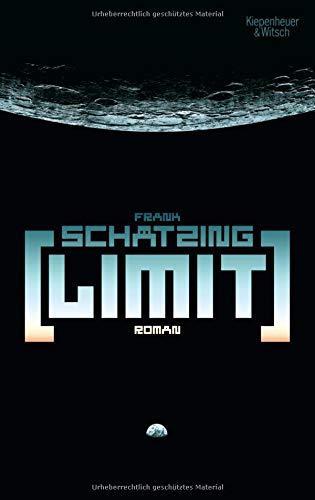

Bird_p137 reviewed Limit by Frank Schätzing
Un futuro espectacular, pero profundamente desigual
4 stars
Frank Schätzing construye un thriller situado en un futuro cercano donde la crisis energética, la presión climática, los intereses económicos y la exploración espacial forman parte del mismo conflicto. Límite me interesó por la escala de su imaginación. La novela no presenta el futuro como un lugar limpio y ordenado, sino como una prolongación extrema de las desigualdades del presente.
Uno de los aspectos que más me gustó fue la manera en que el libro relaciona decisiones privadas y consecuencias globales. Los científicos, empresarios, políticos y activistas no viven en tramas separadas. Sus acciones afectan a recursos, mercados, migraciones y formas de supervivencia. Esa red de intereses hace que el peligro parezca más complejo que una amenaza convencional.
El hotel espacial es una imagen especialmente eficaz. Para sus huéspedes, representa lujo, progreso y una oportunidad de abandonar temporalmente los problemas de la Tierra. Sin embargo, la novela deja …
Frank Schätzing construye un thriller situado en un futuro cercano donde la crisis energética, la presión climática, los intereses económicos y la exploración espacial forman parte del mismo conflicto. Límite me interesó por la escala de su imaginación. La novela no presenta el futuro como un lugar limpio y ordenado, sino como una prolongación extrema de las desigualdades del presente.
Uno de los aspectos que más me gustó fue la manera en que el libro relaciona decisiones privadas y consecuencias globales. Los científicos, empresarios, políticos y activistas no viven en tramas separadas. Sus acciones afectan a recursos, mercados, migraciones y formas de supervivencia. Esa red de intereses hace que el peligro parezca más complejo que una amenaza convencional.
El hotel espacial es una imagen especialmente eficaz. Para sus huéspedes, representa lujo, progreso y una oportunidad de abandonar temporalmente los problemas de la Tierra. Sin embargo, la novela deja claro que escapar al espacio no elimina las tensiones humanas. El poder, el dinero y el deseo de control siguen viajando con quienes pueden pagar ese privilegio.
La gran cantidad de personajes exige atención al comienzo, pero también da al relato una dimensión internacional convincente. Cada figura interpreta la crisis desde una posición distinta. Algunos desean evitar el desastre, otros quieren aprovecharlo, y muchos solo intentan no quedar aplastados por decisiones tomadas muy lejos de ellos.
Schätzing escribe con energía y sabe explicar ideas científicas sin detener por completo la acción. A veces sentí que ciertas explicaciones alargaban demasiado el ritmo, pero la ambición de la novela justifica buena parte de esa amplitud. Límite quiere mostrar una civilización entera frente a un punto decisivo.
Al terminarlo, me quedó la impresión de haber leído una aventura de gran alcance y una advertencia política. Para mí, su pregunta central sigue siendo inquietante: la tecnología puede ampliar nuestras posibilidades, pero ¿quién decide para quién se construye el futuro?