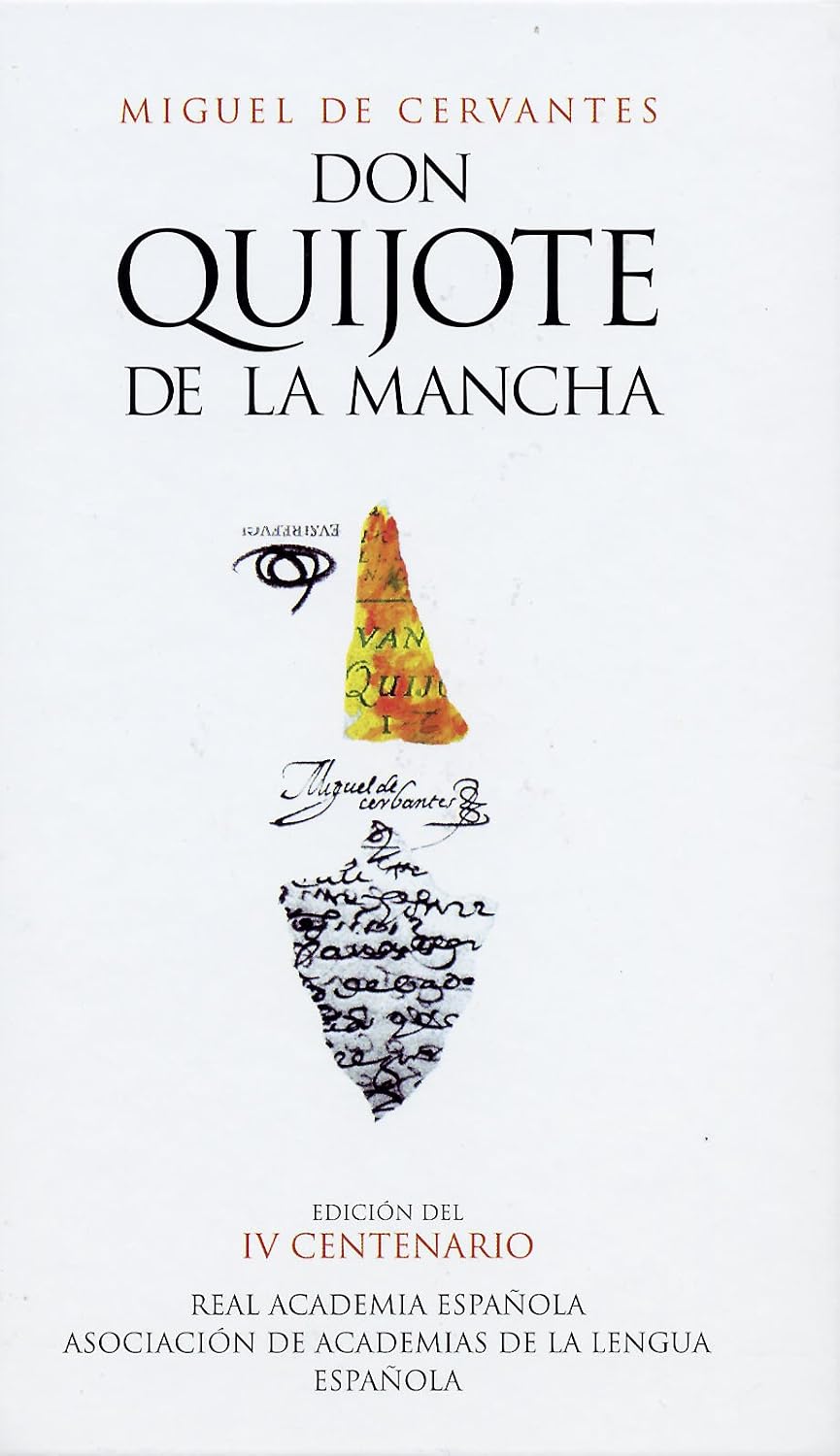
Don Quichotte De La Manche
4 stars
Don Quichotte est sans doute l'un de ces monuments de la littérature qu'on hésite à aborder. Il fait partie de la culture populaire et tout un chacun a une image du chevalier errant. Pour ma part, Jacques Brel a largement participé de cette imagerie. J'avais depuis longtemps les deux tomes du célèbre roman espagnol dans ma bibliothèque, mais j'avais toujours craint de m'y plonger. C'est donc chose faite avec ce premier tome. Je dois avouer que j'ai été un peu déçu parce que j'avais préalablement lu (et adoré) le Manuscrit trouvé à Saragosse, de Jan Potocki, écrit plus tard mais largement inspiré du travail de Miguel de Cervantes. Et j'ai bien plus apprécié ce dernier. Peut-être aurais-je lu différemment Don Quichotte si je n'avais pas connu Potocki. Quoi qu'il en soit, Don Quichotte est étonnamment moderne. D'une part dans la forme, avec des procédés narratifs que nous retrouvons aujourd'hui dans …
Don Quichotte est sans doute l'un de ces monuments de la littérature qu'on hésite à aborder. Il fait partie de la culture populaire et tout un chacun a une image du chevalier errant. Pour ma part, Jacques Brel a largement participé de cette imagerie. J'avais depuis longtemps les deux tomes du célèbre roman espagnol dans ma bibliothèque, mais j'avais toujours craint de m'y plonger. C'est donc chose faite avec ce premier tome. Je dois avouer que j'ai été un peu déçu parce que j'avais préalablement lu (et adoré) le Manuscrit trouvé à Saragosse, de Jan Potocki, écrit plus tard mais largement inspiré du travail de Miguel de Cervantes. Et j'ai bien plus apprécié ce dernier. Peut-être aurais-je lu différemment Don Quichotte si je n'avais pas connu Potocki. Quoi qu'il en soit, Don Quichotte est étonnamment moderne. D'une part dans la forme, avec des procédés narratifs que nous retrouvons aujourd'hui dans les œuvres de fiction telles que les séries. En effet, Miguel de Cervantes maîtrise parfaitement le découpage des chapitres et l'annonce des futures aventures de ses héros ; d'autre part, sur le fond : l'art avec lequel l'auteur exprime la douce mais presque sensée "folie" de notre chevalier, ou, autre exemple, les réflexions sur la culture "populaire" et ce que réclamerait le public, propos adroitement glissés dans des dialogues. Le roman de Don Quichotte dépasse, et de loin, la simple description d'aventures. Et si la succession de petites histoires insérées dans l'histoire peut dérouter le lecteur – finalement, Don Quichotte et Sancho sont souvent laissés de côté –, je prendrais plaisir à lire le second tome de leurs aventures.