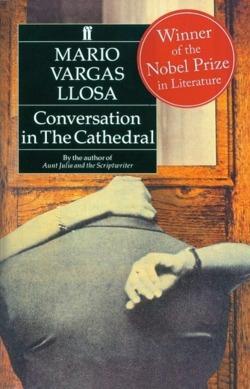

Bird_p137 reviewed Conversación en La Catedral by Mario Vargas Llosa
La conversación que abre un país entero
5 stars
Conversación en La Catedral no me pareció una novela que se limita a contar una historia política. Mario Vargas Llosa convierte un encuentro entre dos hombres en un descenso por la memoria de un país marcado por la corrupción, el miedo y la frustración. Santiago Zavala conversa con Ambrosio en un bar llamado La Catedral, pero de ese diálogo surgen familias, negocios, secretos, abusos y heridas que afectan a todo el Perú.
La pregunta que sostiene el libro es célebre por una razón: ¿en qué momento se jodió el Perú? No funciona como una frase ingeniosa, sino como una búsqueda casi desesperada. Santiago quiere entender cuándo su vida perdió dirección y cuándo su país aceptó una degradación que parece extenderse a todos los ámbitos. Sin embargo, la novela no ofrece una fecha clara ni un único culpable.
Me impresionó la estructura. Vargas Llosa mezcla tiempos, voces y conversaciones …
Conversación en La Catedral no me pareció una novela que se limita a contar una historia política. Mario Vargas Llosa convierte un encuentro entre dos hombres en un descenso por la memoria de un país marcado por la corrupción, el miedo y la frustración. Santiago Zavala conversa con Ambrosio en un bar llamado La Catedral, pero de ese diálogo surgen familias, negocios, secretos, abusos y heridas que afectan a todo el Perú.
La pregunta que sostiene el libro es célebre por una razón: ¿en qué momento se jodió el Perú? No funciona como una frase ingeniosa, sino como una búsqueda casi desesperada. Santiago quiere entender cuándo su vida perdió dirección y cuándo su país aceptó una degradación que parece extenderse a todos los ámbitos. Sin embargo, la novela no ofrece una fecha clara ni un único culpable.
Me impresionó la estructura. Vargas Llosa mezcla tiempos, voces y conversaciones sin avisar siempre al lector. Un recuerdo interrumpe otro, una escena del pasado se une a una frase del presente, y los personajes aparecen desde ángulos que cambian nuestra percepción de ellos. Al principio exige atención, pero esa dificultad tiene sentido: el poder no se deja comprender mediante un relato ordenado.
La dictadura de Manuel A. Odría está presente en cada capa del libro. No aparece solo en las decisiones de los hombres cercanos al gobierno, sino en el modo en que otros aprenden a callar, a negociar o a protegerse. La política entra en la intimidad. Determina amistades, relaciones familiares, ambiciones profesionales y la posibilidad misma de confiar en alguien.
Ambrosio me pareció fundamental porque su voz cuestiona la posición privilegiada de Santiago. Ambos han sido dañados por el mismo sistema, pero no de la misma manera. Sus trayectorias muestran que la desigualdad no es un detalle de fondo, sino una condición que define qué riesgos puede asumir cada persona y qué verdad puede permitirse decir.
La novela es extensa y densa, pero nunca sentí que su complejidad fuera decorativa. Para mí, Vargas Llosa utiliza la forma para mostrar cómo una sociedad autoritaria rompe la continuidad de las vidas. Conversación en La Catedral termina siendo una obra sobre el poder, pero también sobre la dolorosa dificultad de reconstruir una historia cuando todos tienen motivos para ocultar algo.