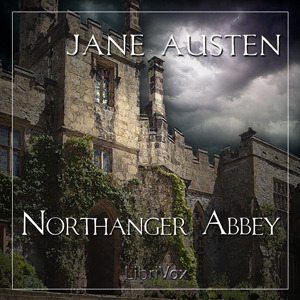

Julia_98 reviewed Northanger Abbey by Jane Austen
Northanger Abbey – Jane Austen
4 stars
Northanger Abbey begins with a joke about heroines. Catherine Morland is not presented as exceptionally beautiful, wealthy, talented, or tragic. She is an ordinary young woman with an active imagination and a passionate love of Gothic fiction. That makes her an ideal protagonist for Jane Austen’s playful examination of romance, reading, and social ambition.
Catherine’s visit to Bath introduces her to friendship, flirtation, gossip, and the complicated rules of polite society. She is inexperienced, but not foolish in a simple way. Her mistakes often arise because she expects life to resemble the dramatic novels she enjoys. She sees secret motives, dark crimes, and threatening mysteries where there may only be selfishness or bad manners.
The Thorpe family provides much of the novel’s comedy. John Thorpe is boastful, unreliable, and convinced that his opinions deserve everyone’s attention. Isabella, meanwhile, treats friendship and romance as performances designed to secure admiration. …
Northanger Abbey begins with a joke about heroines. Catherine Morland is not presented as exceptionally beautiful, wealthy, talented, or tragic. She is an ordinary young woman with an active imagination and a passionate love of Gothic fiction. That makes her an ideal protagonist for Jane Austen’s playful examination of romance, reading, and social ambition.
Catherine’s visit to Bath introduces her to friendship, flirtation, gossip, and the complicated rules of polite society. She is inexperienced, but not foolish in a simple way. Her mistakes often arise because she expects life to resemble the dramatic novels she enjoys. She sees secret motives, dark crimes, and threatening mysteries where there may only be selfishness or bad manners.
The Thorpe family provides much of the novel’s comedy. John Thorpe is boastful, unreliable, and convinced that his opinions deserve everyone’s attention. Isabella, meanwhile, treats friendship and romance as performances designed to secure admiration. I found their behaviour entertaining because Austen allows them to be ridiculous without making them entirely unreal.
Henry Tilney is a particularly appealing counterpart to Catherine. He shares her interest in stories, but he understands the difference between imagination and judgment. His wit can be teasing, yet it also encourages Catherine to see more clearly. Their relationship grows through conversation rather than grand declarations, which gives it a quiet warmth.
The arrival at Northanger Abbey shifts the book into a more openly Gothic mode. Catherine begins to imagine terrible secrets hidden within the old house and its stern master, General Tilney. These scenes are funny, but they are not simply a mockery of Gothic fiction. Austen understands why such stories appeal to Catherine. They offer a language for fear, curiosity, and the desire to see beneath respectable surfaces.
What makes the novel more than a literary parody is its concern with real forms of power. Catherine’s fantasies are exaggerated, but General Tilney’s treatment of his family is genuinely controlling. The world may not contain secret dungeons, yet it contains financial pressure, emotional manipulation, and the authority of men who expect obedience.
I liked the directness of Austen’s narration. She speaks to the reader, interrupts conventions, and exposes the artificial rules of romantic storytelling. At the same time, she never abandons Catherine. The novel laughs at her mistakes, but it also respects her capacity to learn.
Northanger Abbey left me with the sense that imagination is not the enemy. For Austen, the real problem is an imagination that refuses to meet reality. Catherine becomes wiser not by giving up stories, but by learning to read people and circumstances with greater care.